Yonaha Maehama Beach, Okinawa – Japan’s Tropical Escape
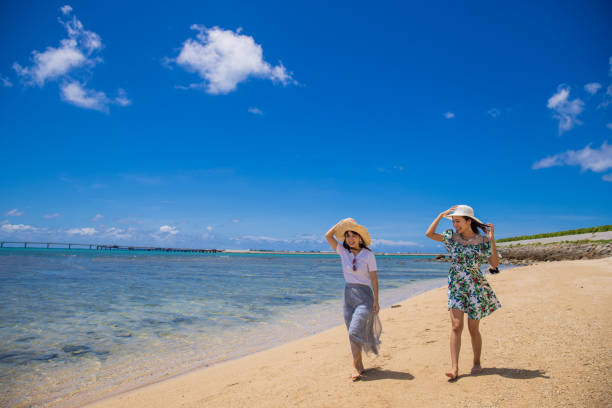
Yonaha Maehama Beach, located on Miyako Island in Okinawa Prefecture, is often described as one of Japan’s most beautiful tropical beaches. With its powdery white sand and crystal-clear turquoise water, the beach feels worlds away from the mainland. Unlike the fast pace of city destinations, Yonaha Maehama offers a calm, island-style experience where time seems to slow down and the sea becomes the main focus.
A Tropical Landscape in Japan
Stretching for nearly seven kilometers, Yonaha Maehama Beach is one of the longest sandy beaches in Okinawa. The sand here is exceptionally fine and soft, making it comfortable for long barefoot walks along the shoreline. The gradual slope of the beach allows the sea to remain calm and shallow near the shore, creating gentle wave patterns that add to the relaxing atmosphere.
Palm trees line parts of the coast, and the open sky reflects beautifully on the water’s surface. The combination of light-colored sand and clear sea gives the beach its signature tropical appearance, often compared to destinations far beyond Japan.
Crystal-Clear Waters and Gentle Waves
One of the defining features of Yonaha Maehama Beach is the clarity of its water. On calm days, the sea appears almost transparent near the shore, revealing soft sand beneath the surface. The waves arrive gently, making the shoreline ideal for relaxed swimming and quiet observation of the ocean.
The sound of the waves is subtle and rhythmic, blending naturally with the breeze. Rather than dramatic crashes, the ocean here moves with a softness that encourages calm reflection and peaceful rest.
Island Walks and Open Horizons
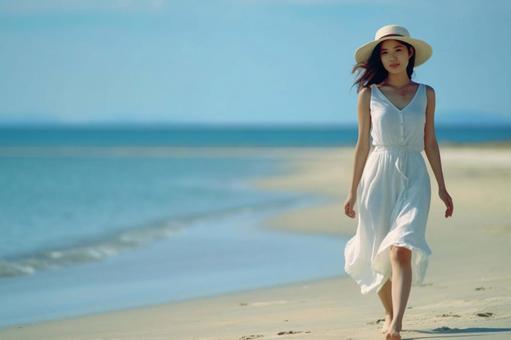
Walking along Yonaha Maehama Beach feels effortless. The shoreline stretches far into the distance, with few visual interruptions, allowing travelers to walk at their own pace without feeling confined. Early mornings and late afternoons are especially peaceful, when the beach is quiet and the light is soft.
Looking out toward the horizon, the sea and sky blend into gentle gradients of blue. These open views create a sense of space that feels freeing, making the beach an ideal place for slow walks and quiet contemplation.
Best Time to Visit Yonaha Maehama Beach
Yonaha Maehama Beach can be enjoyed year-round, but the best conditions are typically found from late spring to early autumn. During this period, the weather is warm, the sea is calm, and the water displays its most vibrant colors.
Even during peak seasons, the length of the beach helps maintain a relaxed atmosphere. Winter brings cooler temperatures and fewer visitors, offering a more tranquil experience for those who enjoy quiet coastal landscapes.
Things to Enjoy at Yonaha Maehama Beach
- Long barefoot walks on soft white sand
- Swimming in calm, clear turquoise water
- Watching gentle sunsets over the horizon
- Photography of tropical coastal scenery
- Quiet moments beneath open island skies
The Calm Rhythm of Okinawan Island Life
Yonaha Maehama Beach reflects the slower pace of life found throughout Okinawa. The atmosphere here encourages visitors to pause, breathe, and appreciate simple moments by the sea. There is no need to rush or plan heavily—time naturally unfolds at a gentler speed.
Nearby facilities are modest and thoughtfully placed, ensuring the beach remains open and uncluttered. This balance between accessibility and preservation allows Yonaha Maehama to retain its natural charm.
Why Yonaha Maehama Is Japan’s Tropical Escape
Yonaha Maehama Beach offers a side of Japan that feels both surprising and deeply soothing. Its tropical appearance, calm waters, and wide open spaces create an experience rooted in relaxation rather than activity.
For travelers seeking an island-style escape without leaving Japan, Yonaha Maehama Beach provides a perfect setting to walk slowly, rest deeply, and reconnect with the natural rhythm of the sea.